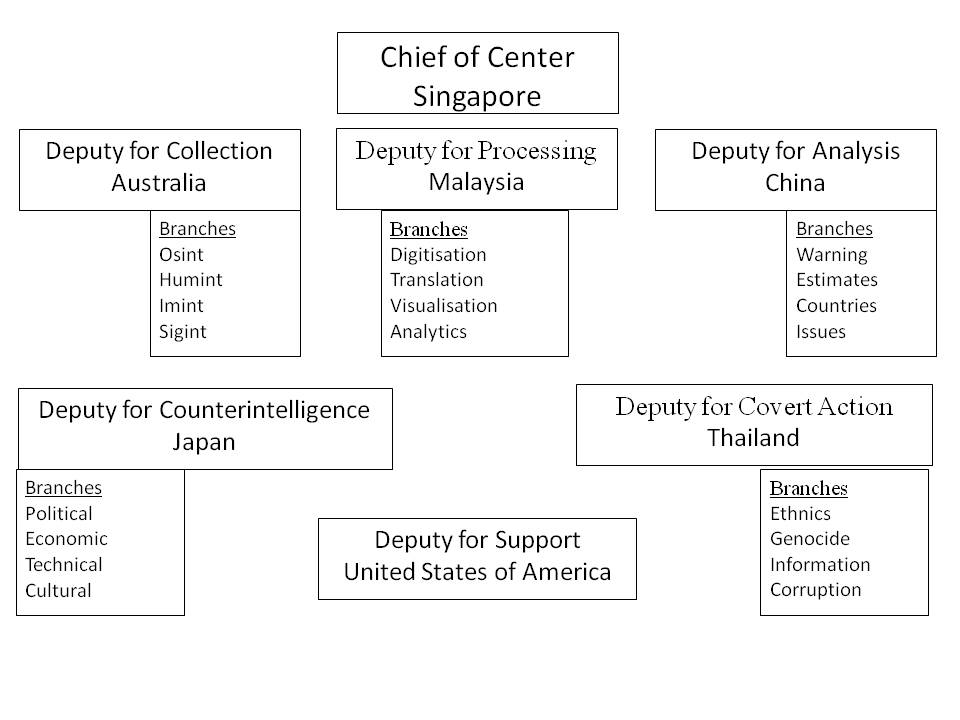
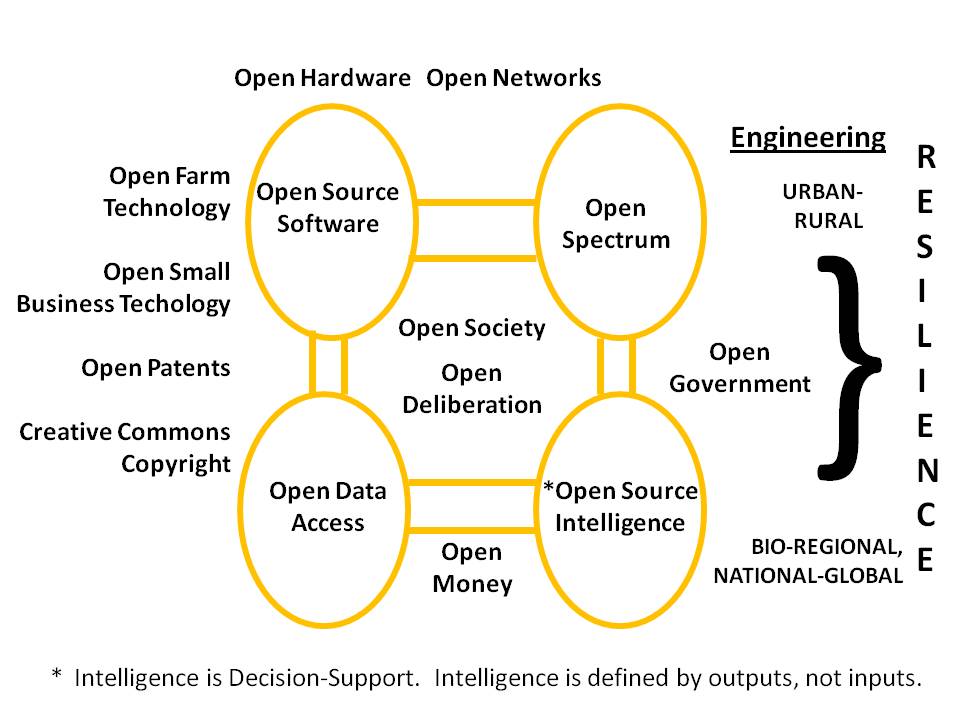
Graphic: Analytic Tool-Kit in the Cloud (CATALYST II)

Corrected 30 January 2010

Comments Off
Jan 30

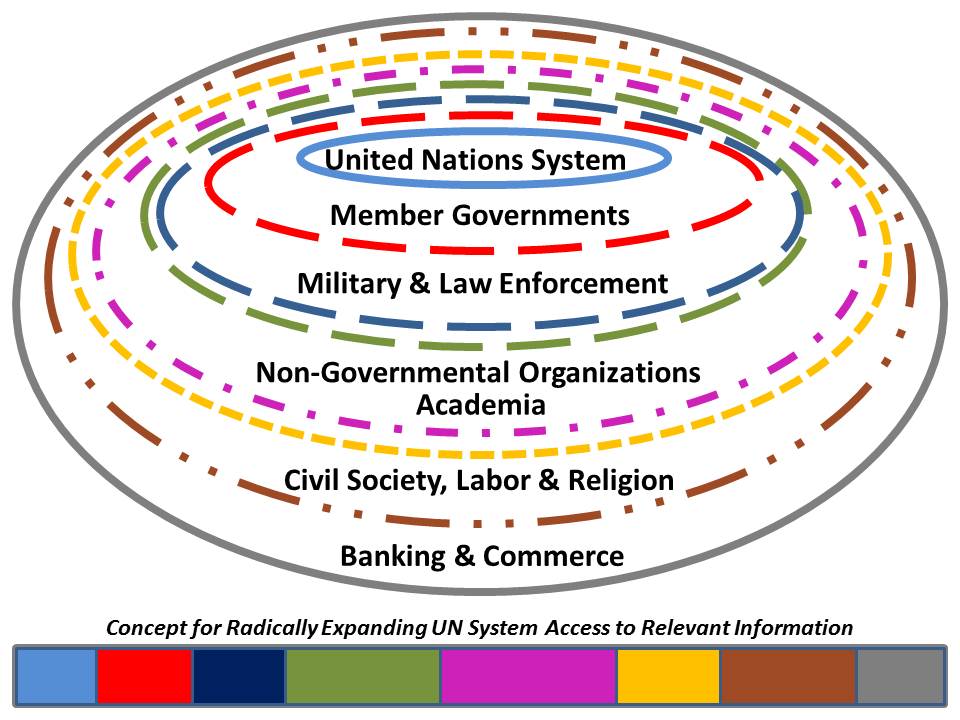
Graphic: OSINT and Multinational Defense in Depth

In the absence of a Strategic Analytic Model that can serve as the basis for assured mutual-interest Multinational Engagement, secret intelligence is inevitably going to fail time and again.  Casting a wide net with Open Source Intelligence (OSINT) and Multinational Multiagency Multidiscipolinary Multidomain Information-Sharing and Sense-making (M4IS2) as the foundation for all-source intelligence and deep invasive secret collection, is a common-sense affordable mission-oriented performance enhancer.

Comments Off
Jan 24

Graphic: Four Quadrants J-2 High Cell SMS Low

This is the original “Four Quadrants” slide created in the 1990′s to show the human-centered path from what we do now (still), internal knowledge management, through social network information creation to external research (humans are central) and finally to organizational intelligence where machines and humans properly managed are a perfect blend.  Note J-2 is the high side “owner” while the “low side” is more of a diplomatic and civil affairs outreach and multinational engagement endeavor.

Comments Off
Jan 24

Graphic: OSINT DOSC MDSC as Kernel for Global Grid to Meet Stabilization & Reconstruction as Well as Whole of Government Policy, Acquisition, and Operations Support

Open Source Intelligence (OSINT) is high school–advanced is Multinational Multiagency Multidiscipline Multidomain Information-Sharing and Sense-Making (M4IS2).  The fastest way to re-invent and revitalize intelligence for any nation (or region such as Africa or South America) is to create a Defense Open Source Center (DOSC) that serves as the interface between a Multinational Decision Support Center (MDSC) that can do Outreach (Multinational Engagement in a two-way reach-back mode, at the same time that the DOSC is responsible for assuring instant upload to the high-side of all open source information as it is received and with translation done outside the wire as a value added.

Comments Off
Jan 24

Graphic: OSINT and Full-Spectrum HUMINT (Updated)

Tags:

Click to Enlarge

This has been updated from an earlier DIA/DH version created by Robert Steele, and is in both the DoD OSINT Staff Briefing and the new Strategic Studies Institute (SSI) monograph on Human Intelligence (HUMINT): All Humans, All Minds, All the Time.

See Also:

Search: humint spectrum full spectrum

Jan 24

Graphic: OSINT & Universal Coverage at Local Level

The “New Craft of Intelligence” was defined by Robert Steele in 2002 and ratified by Dr. Stephen Cambone in 2004 when he called for the urgency of universal coverage at a neighborhood level of granularity.  The US Special Operations Command (USSOCOM) refused a new defense Open Source Intelligence (OSINT) program offer from USD (I), with the result that today DoD has between $1 billion and $3 billion a year in incoherent Open Source Intelligence (OSINT) program elements, none of which perform to full potential at the same time that perhaps 70% of what we need to know and can know from OSINT is going unrealized.

Comments Off
Jan 24

Graphic: OSINT, We Went Wrong, Leaping Forward

From where we sit, outside the wire, we went wrong at multiple levels, all matters of balance and perspective:

1.  Favoring secrecy over openness

2.  Favoring technologies constant stare (mostly unprocessed) over engaged human brains with eyes on

3.  Demanding unilateral collection, processing, and analysis instead of a multinational foundation

Comments Off
Jan 24

Graphic: OSINT and Missing Information

The philosophical and leadership issue that has not been seriously addressed within the US and many other secret intelligence communities is this: are we in the business of secrets for the Presidet or are we in the business of informing statecraft at all levels?  Until we have a political and policy leadership that demands the latter, our policies will continue to be uninformed and disengaged from the larger reality that will never, ever, ignore us.

Comments Off
Jan 24

Graphic: OSINT versus OSIS (Information Overload)

Tags:

Originally created by Dr. Mark Lowenthal, then with OSS.Net, Inc. and since modified, this slide, combined with Graphic: OSINT and Missing Information, depicts the challenge.  What most do not understand is these two facts:

1.  Open Source Information (OSIF) is not the same as Open Source Intelligence (OSINT).  The latter is deliberately discovered, discriminated, distilled, and delivered decision-support tailored to a specific decision.  No does this now in the IC that we know of.

2.  Humans and Human Minds, not vast unaffordable non-interoperable technical processing farms, are how we cut to the chase.  The magic of OSINT, as Dr. Stevan Dedijer stated so clearly in 1992, is to “know who knows,” so as to connect, as Robert Steele stated in Canada in 1994, the source with the consumer.  This can only be done with Multinational Engagement, it absolutely will never happen if we continue to insist on US citizens with clearances as the heart of “national intelligence.”

Comments Off
Jan 24

Journal: Secret World Still Short on All Languages

Full Story Online

IC’s Language, Linguistic Shortfalls Under Scrutiny

by Anthony L. Kimery

Thursday, 21 January 2010

The IC still has important pockets of critical intelligence analysis that continue to suffer.

The rank and file analysts at the CIA, NSA and elsewhere throughout the Intelligence Community (IC) are patriotic, dedicated … hardworking. But they have long been hampered by a lack of both linguists and language proficient subject matter experts to help them make sense of the overwhelming storm of intelligence that is routinely siphoned from the air and gathered by human intelligence sources every day. This blizzard of information is blinding.

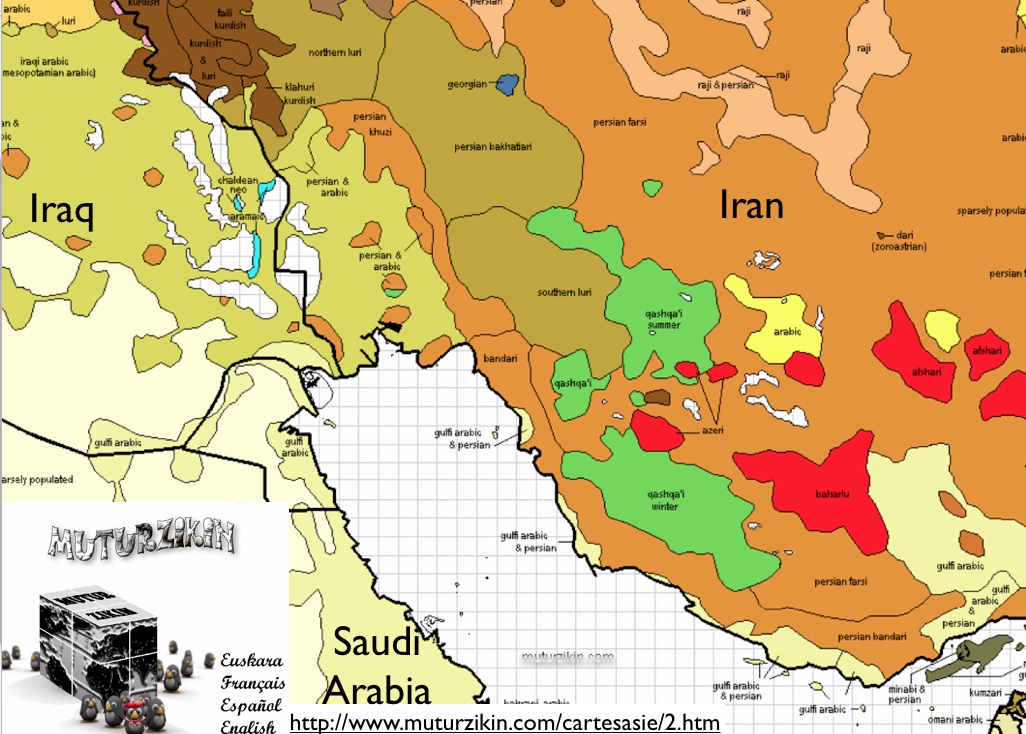
According to IC sources HSToday.us talked on background, the IC’s failure to detect the recent attempted terrorist attacks on the US homeland wasn’t just about the failure to connect the existing dots – of which there were many – but also was because of the inability to quickly and effectively interpret country-language specific intelligence, such as that which was collected in Yemen.

. . . . . . .

Last July, the Senate Select Committee on Intelligence reported that it “is concerned about the abysmal state of the Intelligence Community’s foreign language programs.”

The Committee’s report noted that “the collection of intelligence depends heavily on language, whether information is gathered in the field from a human source or from a technical collection system. Even traditionally nonlinguistic operations such as imagery rely on foreign language skills to focus and direct collection efforts.”

However, the Committee concluded, “almost eight years after the terrorist attacks of September 11th and the shift in focus to a part of the world with different languages than previous targets, the cadre of intelligence professionals capable of speaking, reading, or understanding critical regional languages such as Pashto, Dari, or Urdu remains essentially nonexistent.”

Continuing, the report stated that “the Intelligence Reform Act required the DNI [Office of the Director of National Intelligence] to identify the linguistic requirements of the Intelligence Community, and to develop a comprehensive plan to meet those requirements.”

But “five years later, the ODNI has still not completed an IC-wide comprehensive foreign language plan that designates specific linguist or language requirements, lays out goals or timelines, or designates specific actions required to meet them.”

Read the rest of this entry »

Comments Off
Jan 21